

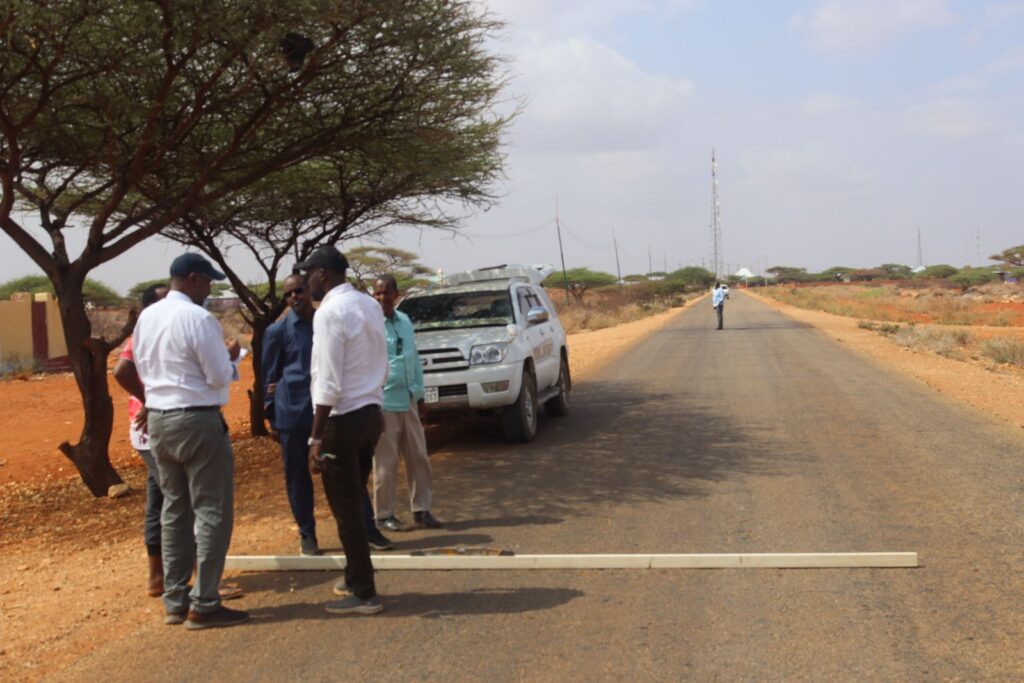
In central Somalia, roads are lifelines. They enable farmers to bring produce to market, families to access healthcare, and children to attend school. Yet decades of conflict, neglect, and harsh climate conditions have left many roads in poor condition or completely unusable.
During the rainy season, unrehabilitated roads often become muddy, flooded, and dangerous. Entire towns can be cut off for weeks, disrupting trade and preventing humanitarian assistance from reaching those in need. These seasonal disruptions deepen poverty and vulnerability.
Wadajir understands that improving roads is not simply about transportation—it is about restoring dignity and opportunity. A reliable road reduces travel time, lowers transport costs, and creates safer movement for people and goods. These changes have a direct impact on household incomes and food security.
Roads also strengthen social cohesion. When communities are connected, families can maintain social ties, traders can expand their networks, and local administrations can better serve their populations. Connectivity fosters trust and shared economic interests across regions.
For women and vulnerable groups, improved roads can be transformative. Easier access to health facilities, markets, and education reduces risks and expands opportunities. Infrastructure development, when done inclusively, contributes to greater social equity.
By prioritising road construction and maintenance, Wadajir is addressing one of the most fundamental barriers to development. Roads are not just physical structures; they are pathways to stability, resilience, and long-term growth.